by
by Some trips are measured in miles. Others are measured in perspective.
This trip to Normandy was both.
The “Legacy Flight” departed Atlanta and landed in Deauville, but the real destination was not simply France. It was memory. It was sacrifice. It was the beaches, villages, cemeteries, and quiet roads where young men once stepped into history without knowing whether they would live to see another sunrise.
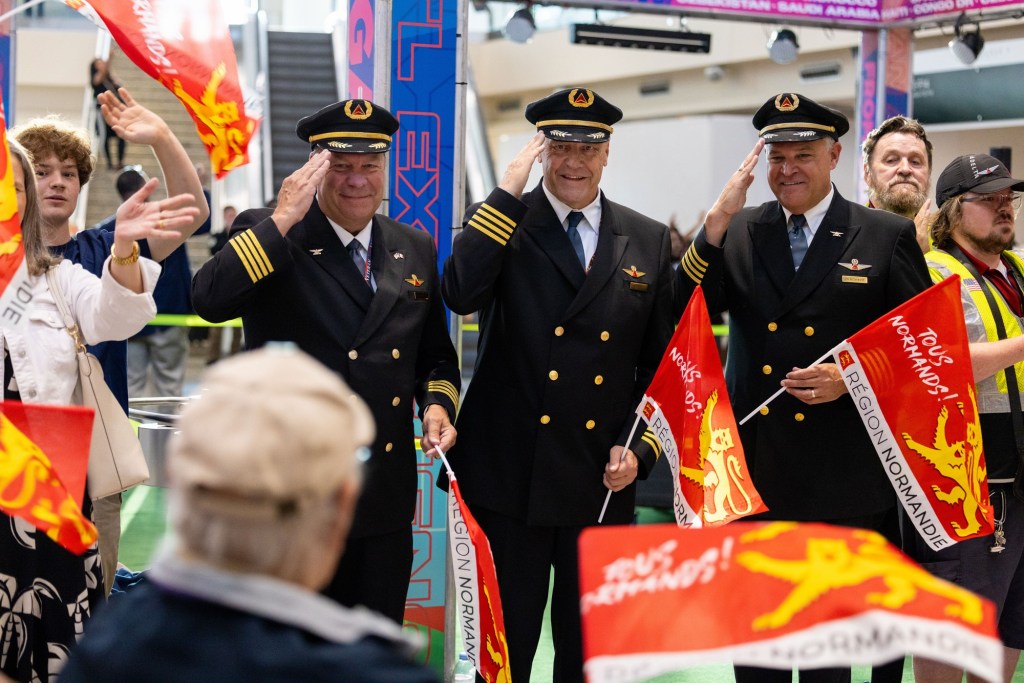
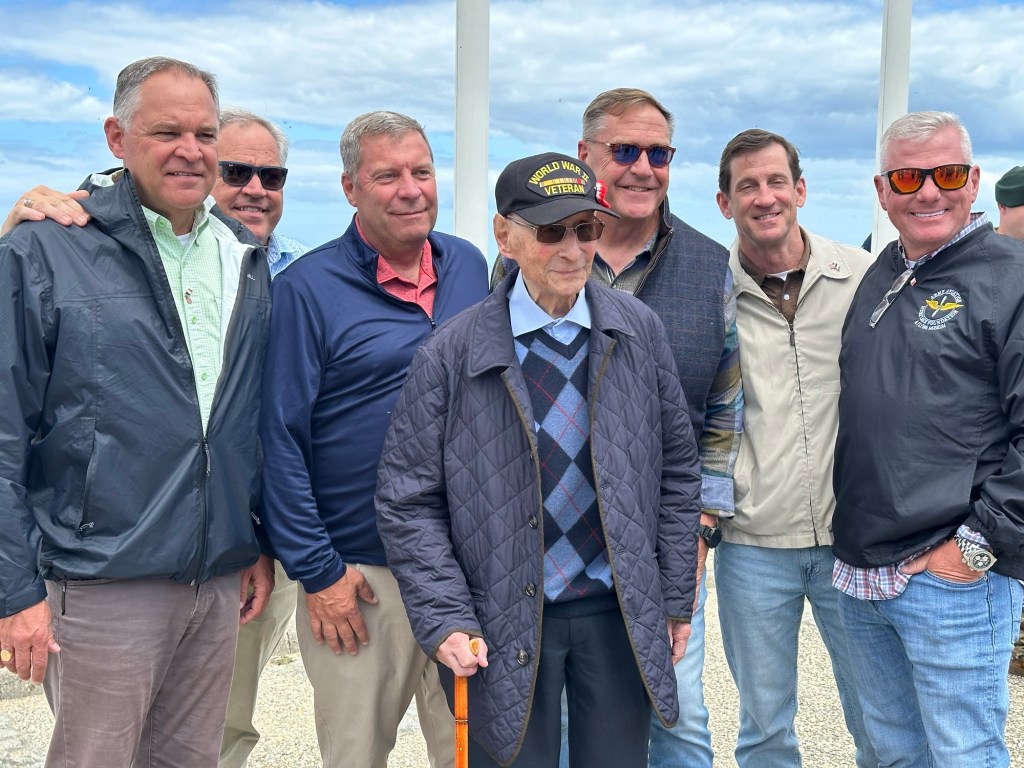
Eighty-two years after D-Day, the distance between 1944 and today can feel almost impossible to grasp. But when you are standing beside men who were there — most of them now over 100 years old — that distance collapses.
History stops being a chapter in a book.
It becomes a face. A hand you hold. A voice, softened by age, telling a story that still carries the weight of the world.
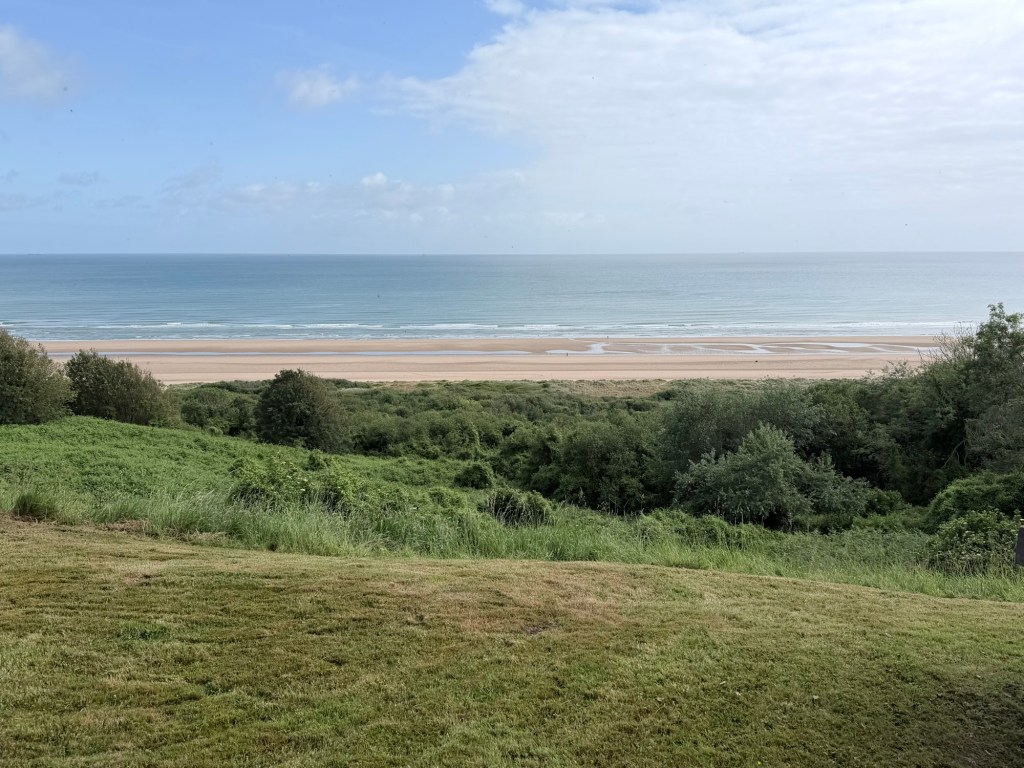
In Ouistreham, Carentan, Sword and Juno beaches and, ofcourse, Omaha and Utah, I kept thinking about how young they were when they first came to Normandy. Boys, really. Many had never been far from home. Many could not have imagined the burden history would place on their shoulders.
And yet they went.
Not because it was convenient. Not because it was safe. That’s the last thing it was. Not because anyone promised them applause. They went because duty called, and their generation had been raised to believe that duty meant something.
Standing there also made me think about the leaders who had to decide that they would go.
Before there was a D-Day, there was a decision.
General Dwight D. Eisenhower carried a burden most of us can scarcely imagine. He gave the order knowing that no plan, no matter how brilliant, could spare every life. He knew thousands of young men would die because of his decision. On the eve of the invasion, he even prepared a message accepting full responsibility if the operation failed.
Today, we remember D-Day as a triumph.
Eisenhower did not know it would be a triumph when he said, “Go.”
That is leadership.
Years earlier, Franklin Roosevelt faced a different but equally consequential burden. America did not enter the war lightly. But Roosevelt understood that a world dominated by tyranny could eventually reach our shores, our children, and every freedom we claimed to cherish. After Pearl Harbor, he had to summon an entire nation into a struggle whose cost no one could yet measure.
We know how the story ended.
They did not.
That is what makes their decisions so profound.
Leadership is easy in hindsight. It is far harder when the outcome is uncertain, the cost is staggering, and history has not yet rendered its verdict.
The soldiers carried rifles. The leaders carried responsibility. And because both did their duty, generations that followed were given a world shaped more by freedom than fear.
That thought followed me throughout Normandy.
The men who landed here did not simply help win a war. They helped create the world we inherited. When they came home, they became husbands, fathers, teachers, farmers, business owners, ministers, pilots, public servants, and neighbors. They built families, communities, and institutions. They turned sacrifice into civilization and they never forgot those who weren’t able to come home. Nor can we.
And most of them did it quietly.
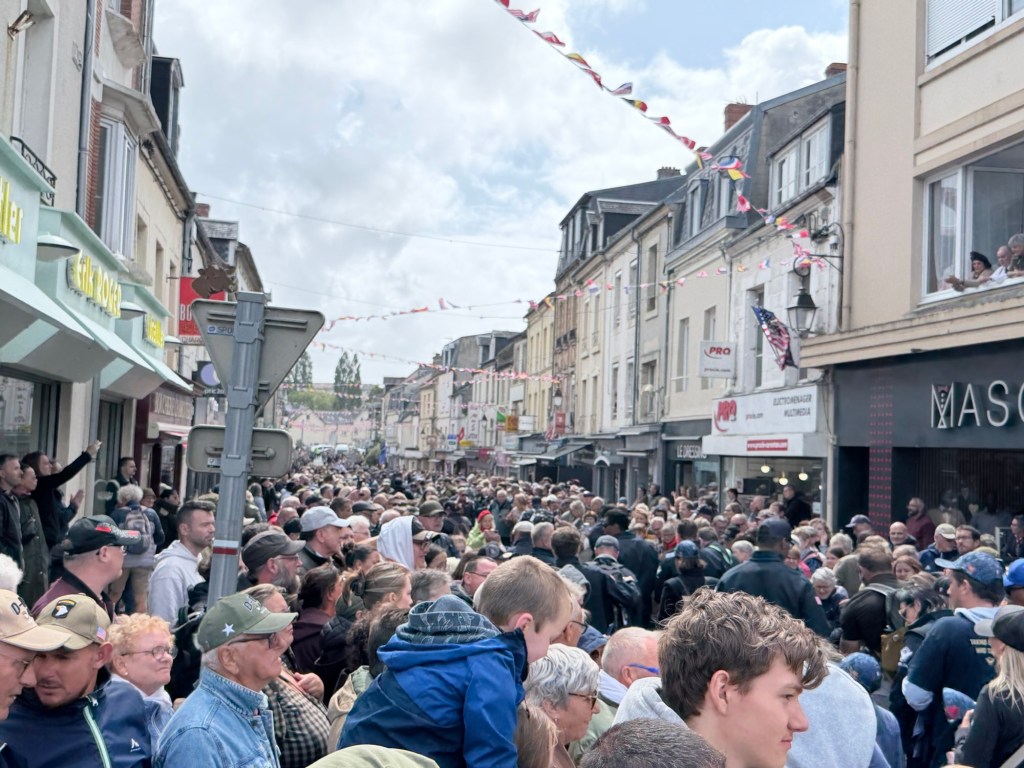
That may be what moved me most about the veterans on this trip. They were not looking to be treated like celebrities. They accepted the cheers with humility. Many seemed to be thinking less about themselves and more about the friends who never came home.
The empty chairs.
The names carved into stone.
The men who remain forever young in the soil of France.
At the Normandy American Cemetery, that reality becomes impossible to avoid. Row after row of white crosses and Stars of David stretch across perfectly kept grass, each one marking a life interrupted and a future surrendered.
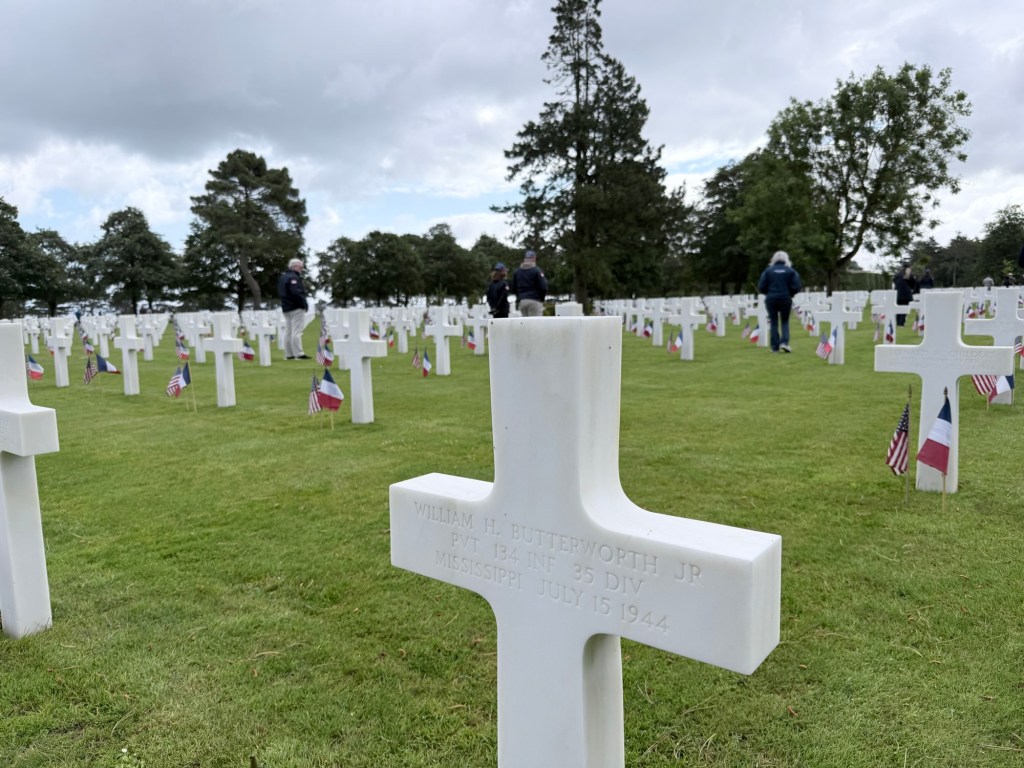
One marker carried my own family name: Private William H. Butterworth Jr., killed in July 1944.
Standing there, I felt pride, gratitude, and something heavier — responsibility.
Freedom is not an inheritance we should casually spend. It is a trust handed down by people who paid more for it than we ever will.
I came home from Normandy with photographs, memories, and stories I will never forget. But more than anything, I came home with a fresh outlook on life.
The problems that seemed large before the trip felt smaller afterward.
The blessings I sometimes take for granted felt larger. The urgency to live with purpose felt stronger.
We spend so much of life chasing the next thing — another achievement, another purchase, another argument, another distraction. Normandy has a way of cutting through all of that.
It asks a better question:
What kind of life are we building with the freedom others gave us?
The generation that fought World War II is leaving us. Soon, there will be no living witnesses left to take back to those beaches. No 100-year-old hands to shake. No firsthand voices to remind us what courage looked like when the world was on fire.
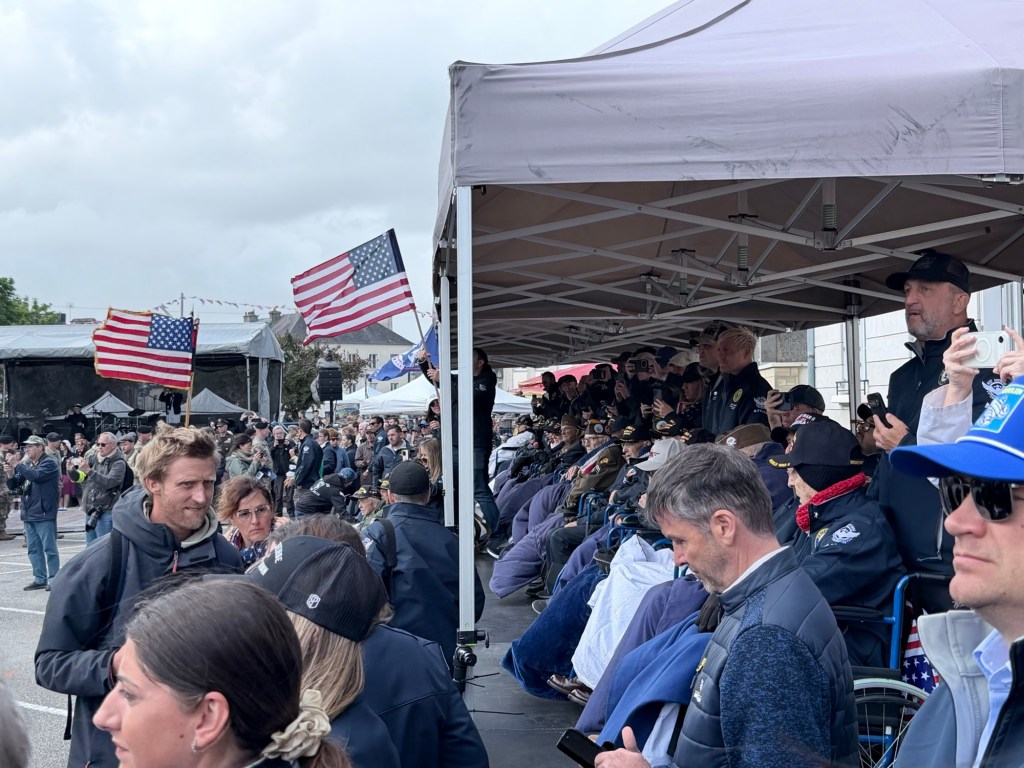
When that day comes, remembrance will no longer be something we receive from them.
It will be something we owe to them.
And remembrance cannot simply mean ceremonies, speeches, flags, and photographs, as important as those are. It must also mean living better.
Being more grateful. Serving more willingly. Forgiving more quickly. Complaining less. Loving our families more intentionally.
Doing our duty in whatever small corner of the world has been entrusted to us.
Eighty-two years after D-Day, Normandy still teaches. It teaches that ordinary people can do extraordinary things. It teaches that leadership requires courage before history confirms the outcome. It teaches that freedom is costly.
And it teaches that a meaningful life is not found by asking what the world owes us.
It is found by asking what our lives can give back not only to the world but for many generations to come. To the generation that has appropriately been called “The Greatest”, I’ll say it again: Thank You.