Water, Eminent Domain and the Next 50 Years

Water has been one of Habersham County’s most important long-term issues for decades.

I have had the opportunity to look at that issue from several different perspectives over the years — as a Habersham County Commissioner, as a State Senator representing the 50th Senate District, through economic development leadership, and later in state government dealing with emergency management, homeland security and the protection of critical infrastructure.

Those experiences have taught me that when dealing with something as important as water, the first question should not simply be, “What can we build next?” The better questions are: What do we already have? What capacity exists within it? What partnerships can be strengthened? And how do we build a system that will serve this region not just for the next few years, but for the next several generations?

That is why I have concerns about the City of Demorest’s current proposal to use eminent domain to acquire property on Tallulah Falls Lake and construct a new water treatment facility there.

Let me say clearly that I agree with Demorest about the underlying problem. Habersham County needs a dependable and expandable supply of water. Water availability affects residential growth, economic development, public safety, hospitals, schools and our ability to recruit and retain employers.

Demorest, and Habersham County, also deserves considerable credit for what it has built. Today the Demorest water system serves more than 70 percent of the residents of Habersham County, including customers far beyond the city limits. That is a significant responsibility, and I do not minimize it.

My concern is with what comes next.

When I served on the Habersham County Commission from 2004 through 2008, we were dealing with essentially the same long-term question. Our goal was not to compete with Demorest. It was to secure additional water for Habersham County and create another source of supply.

That effort led to an agreement with the City of Toccoa and a substantial investment in the infrastructure necessary to bring treated water into Habersham County. A five-mile, 16-inch transmission line and associated pumping infrastructure were constructed at a cost of several million dollars. The county initially had access to one million gallons per day from Toccoa.

The larger vision, however, was always about more than one million gallons per day. The system was built with growth in mind, and a few years later Demorest itself sought to increase its Toccoa supply to three million gallons per day. As reported recently by The Northeast Georgian, Toccoa declined that request for multiple reasons.

That history should not end the discussion. It should tell us where to begin the next one.

Water permits, infrastructure, demand and regional needs change over time. Before we take private property through eminent domain, before we commit ratepayers to a new treatment plant, and before we begin building an entirely new water-supply system around Tallulah Lake, I believe we should make every reasonable effort to determine what it would take today to fully develop the Toccoa relationship.

If I were directly involved, my first objective would be to determine whether we can reach the full three million gallons per day that has been discussed before. If the answer requires additional state authorization or investment in Toccoa’s source, treatment or transmission capacity, then we should find out what that requires and what it costs. And we should not arbitrarily stop the analysis at three million gallons. We should determine how much dependable long-term capacity that regional partnership could ultimately provide.

That seems to me to be the logical first move because the physical connection already exists. Habersham taxpayers have already invested millions of dollars in that infrastructure.

In 2013, when the county transferred its water system to Demorest, the city received an approximately $8.4 million system at no cost, including pump stations, tanks, water lines, meters and customers.

Demorest therefore inherited more than a collection of pipes and customers. It inherited an important piece of a regional water strategy that had already been built and paid for.

The current usage numbers make the question even more relevant. In April, May and June, Demorest purchased roughly 43 to 45 million gallons of water each month from Baldwin. During those same months, it purchased approximately 5.7 to 8 million gallons per month from Toccoa.

Those numbers convince me that we need to know much more about the potential of the Toccoa connection before we conclude that our existing alternatives have been exhausted.

I understand Demorest’s concern that it cannot build its future around the assumption that neighboring systems will always have excess water available for purchase. That is a legitimate concern. Long-term water planning requires more than simply hoping another provider will always have enough capacity.

But building a new plant on Tallulah Lake does not eliminate uncertainty. Demorest’s proposal ultimately envisions drawing as much as five million gallons per day from the lake, beginning with approximately 1.5 million gallons per day. Such a project will require far more than acquiring a piece of property. It raises questions involving permitting, treatment and transmission infrastructure, drought planning, environmental impacts and the movement of water between river basins.

And it has already created significant opposition outside Habersham County. Property owners have objected. Tallulah Falls has concerns. Rabun County commissioners have voted to “exhaust all avenues to protect Rabun County resources.”

That does not automatically mean Demorest is wrong.

But it does mean the burden should be high before eminent domain is used.

Eminent domain is one of the most extraordinary powers government possesses. There are circumstances when it is necessary. Roads, utilities and other essential public infrastructure sometimes cannot be built without it.

But when government tells a private citizen that his or her property must be taken for a public purpose, government should be able to say with confidence that the need is compelling and that reasonable alternatives have been fully explored.

I am not convinced we are there yet.

Cornelia’s own long-term discussions involving Tallulah Lake are also worth noting, if only because they remind us that Demorest is not the only community thinking about future water supply. But that particular proposal is less important to me than the larger lesson: the water decisions we make today cannot continue to be made one city at a time.

This is where I think the conversation needs to change.

Across this relatively compact part of Northeast Georgia, communities including Demorest, Baldwin, Cornelia, Clarkesville, Toccoa and Tallulah Falls share far more than proximity. Habersham, Stephens and Rabun counties are connected by river basins, water systems, economic development, growth patterns and, ultimately, a common future.

What happens within this relatively small corner of Northeast Georgia over the next several years may determine our water security for the next 50 years.

That is too important to leave to any single municipality.

Demorest operates the largest water system in Habersham County, and because of that it absolutely should have a leading role in the conversation. But serving most of Habersham County also means its decisions have consequences well beyond the city limits of Demorest.

Our water future is a regional responsibility.

We need Toccoa and Stephens County at the table. We need Habersham County at the table. We need Baldwin, Cornelia and Clarkesville at the table. Where Tallulah Lake is involved, Tallulah Falls and Rabun County should be part of the discussion as well. And when state withdrawal permits or river-basin issues are involved, the appropriate state agencies must be engaged early rather than after decisions have essentially been made.

There should be some very direct questions on that table.

How much additional water can Toccoa realistically provide? What would be required to reach three million gallons per day? Could investments in source or treatment capacity push that number higher? What additional interconnections should be built among existing systems? Where can redundancy be added so that the failure or shortage of one source does not threaten tens of thousands of customers? What are the projected water needs of this region 20, 30 and 50 years from now? What solution gives us the greatest dependable capacity for the public dollars invested?

And then we should ask where Tallulah Lake fits into that plan.

Perhaps it does.

I am not suggesting that Tallulah Lake should be removed from consideration. If a credible engineering, environmental and financial analysis demonstrates that a Tallulah source is necessary to secure Habersham County’s long-term water future, then we should have that discussion based on the facts.

But we should not begin with condemnation and work backward toward regional planning.

We should begin with regional planning.

Nearly twenty years ago, we built the Toccoa connection because we believed cooperation across jurisdictional lines offered Habersham County a stronger and more secure water future. I still believe that.

In fact, I believe that principle is more important today than it was then.

The decisions ahead are not simply about where Demorest gets its next million gallons of water. They are about where Northeast Georgia gets its water for the next generation. They will influence where homes are built, where industry locates, which communities can grow and how well we withstand the next serious drought.

Those decisions will outlive every elected official currently holding office.

That is why the most constructive path forward is not a fight between Demorest and Rabun County, or between a city and a property owner. It is for Demorest and its regional partners to sit down together, put every reasonable option on the table, fully examine the capacity we already have and develop a strategy worthy of the next 50 years.

Demorest should be an important leader in that effort.

But no single city should carry — or control — a responsibility this consequential by itself.

Water is too important. The investments are too large. The consequences last too long.

Before we condemn property and commit ourselves to a new path, let’s make certain we have fully explored the one we have already spent millions of dollars building.

And, more importantly, let’s make the next decision together.

Normandy, 82 Years Later: The Gift of Perspective

Some trips are measured in miles. Others are measured in perspective.

This trip to Normandy was both.

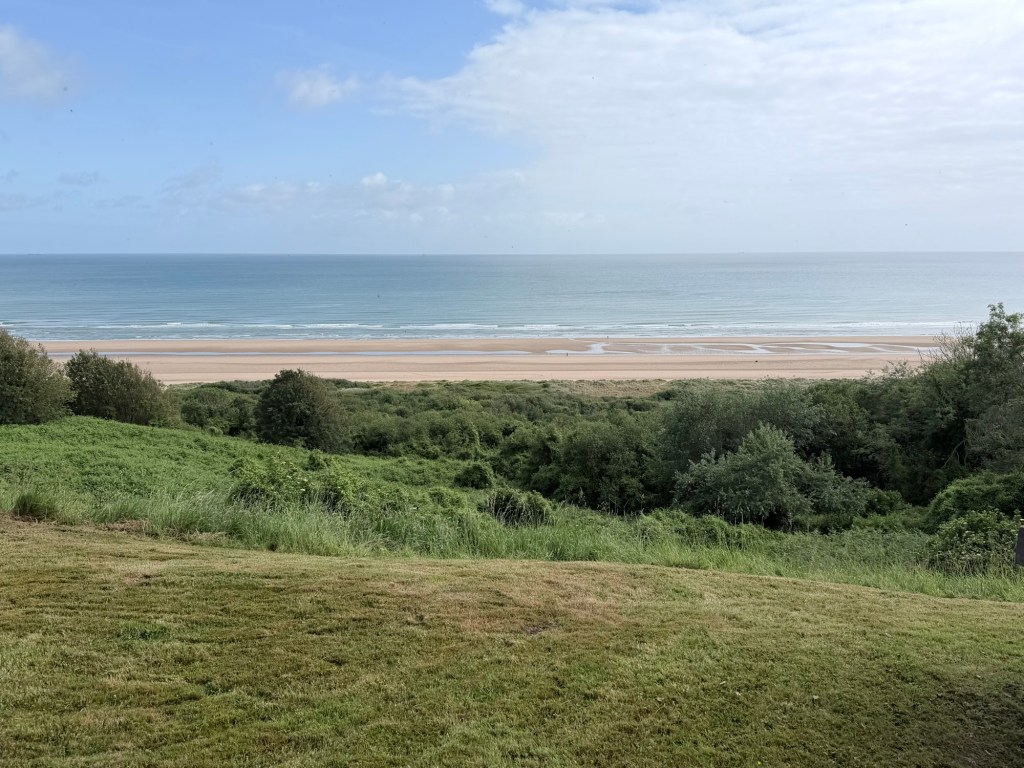
The “Legacy Flight” departed Atlanta and landed in Deauville, but the real destination was not simply France. It was memory. It was sacrifice. It was the beaches, villages, cemeteries, and quiet roads where young men once stepped into history without knowing whether they would live to see another sunrise.

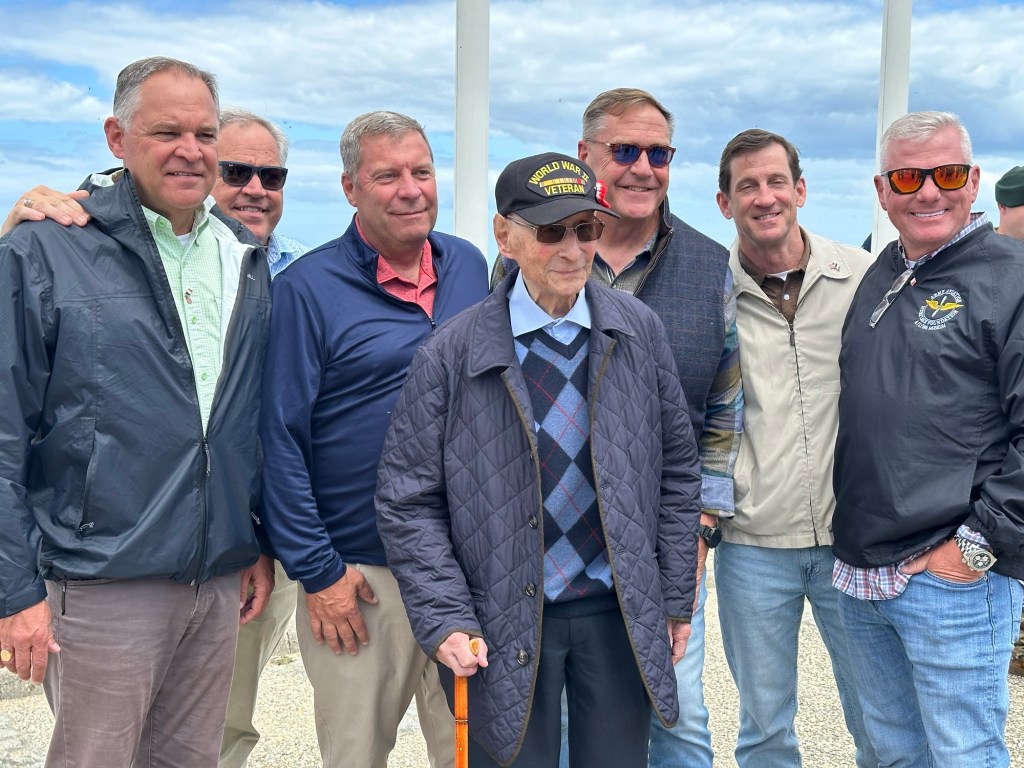
Eighty-two years after D-Day, the distance between 1944 and today can feel almost impossible to grasp. But when you are standing beside men who were there — most of them now over 100 years old — that distance collapses.

History stops being a chapter in a book.

It becomes a face. A hand you hold. A voice, softened by age, telling a story that still carries the weight of the world.

In Ouistreham, Carentan, Sword and Juno beaches and, ofcourse, Omaha and Utah, I kept thinking about how young they were when they first came to Normandy. Boys, really. Many had never been far from home. Many could not have imagined the burden history would place on their shoulders.

And yet they went.

Not because it was convenient. Not because it was safe. That’s the last thing it was. Not because anyone promised them applause. They went because duty called, and their generation had been raised to believe that duty meant something.

Standing there also made me think about the leaders who had to decide that they would go.

Before there was a D-Day, there was a decision.

General Dwight D. Eisenhower carried a burden most of us can scarcely imagine. He gave the order knowing that no plan, no matter how brilliant, could spare every life. He knew thousands of young men would die because of his decision. On the eve of the invasion, he even prepared a message accepting full responsibility if the operation failed.

Today, we remember D-Day as a triumph.

Eisenhower did not know it would be a triumph when he said, “Go.”

That is leadership.

Years earlier, Franklin Roosevelt faced a different but equally consequential burden. America did not enter the war lightly. But Roosevelt understood that a world dominated by tyranny could eventually reach our shores, our children, and every freedom we claimed to cherish. After Pearl Harbor, he had to summon an entire nation into a struggle whose cost no one could yet measure.

We know how the story ended.

They did not.

That is what makes their decisions so profound.

Leadership is easy in hindsight. It is far harder when the outcome is uncertain, the cost is staggering, and history has not yet rendered its verdict.

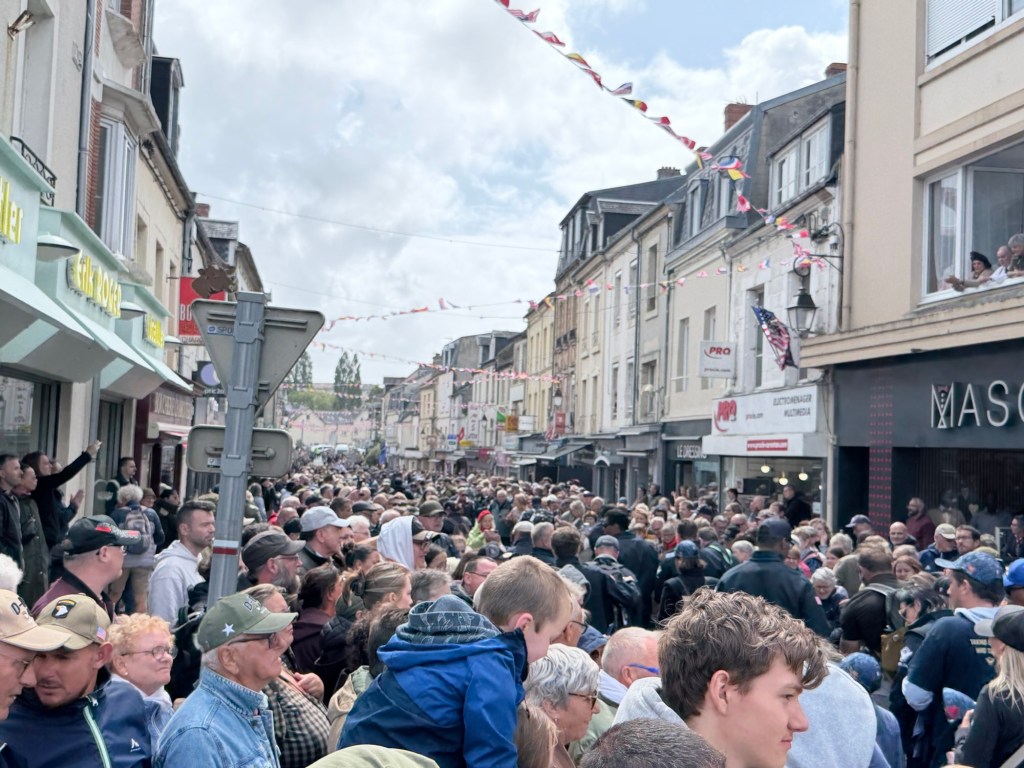
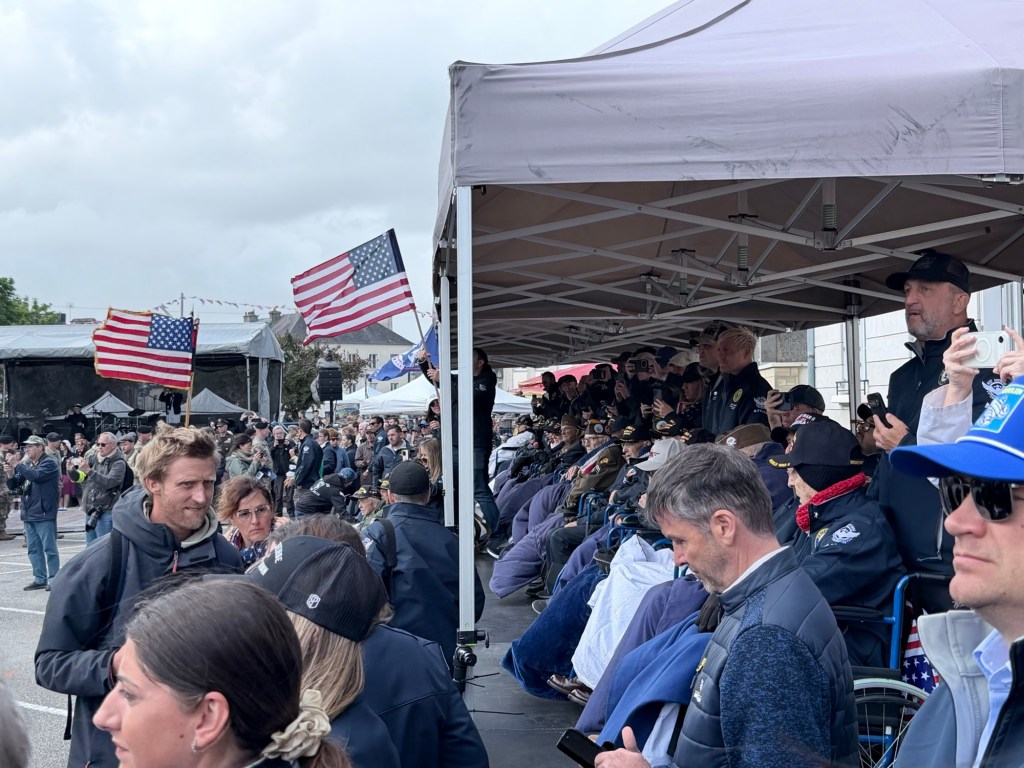
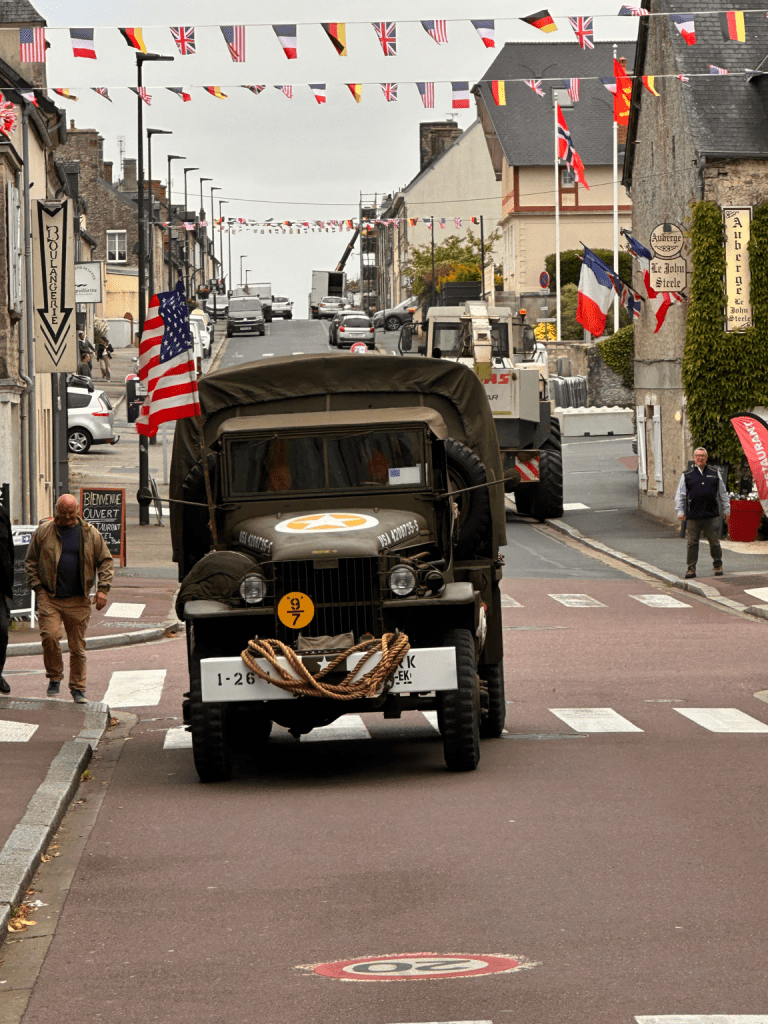
The Streets of Carentan, 82 years later.

The soldiers carried rifles. The leaders carried responsibility. And because both did their duty, generations that followed were given a world shaped more by freedom than fear.

That thought followed me throughout Normandy.

The men who landed here did not simply help win a war. They helped create the world we inherited. When they came home, they became husbands, fathers, teachers, farmers, business owners, ministers, pilots, public servants, and neighbors. They built families, communities, and institutions. They turned sacrifice into civilization and they never forgot those who weren’t able to come home. Nor can we.

And most of them did it quietly.

That may be what moved me most about the veterans on this trip. They were not looking to be treated like celebrities. They accepted the cheers with humility. Many seemed to be thinking less about themselves and more about the friends who never came home.

The empty chairs.

The names carved into stone.

The men who remain forever young in the soil of France.

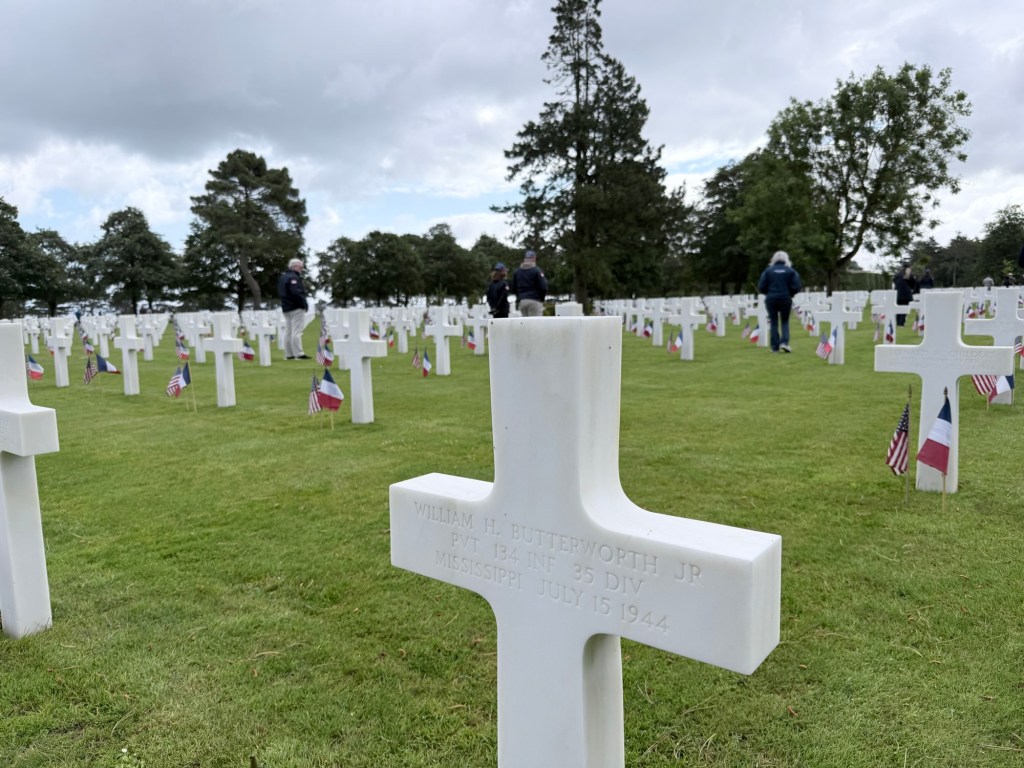
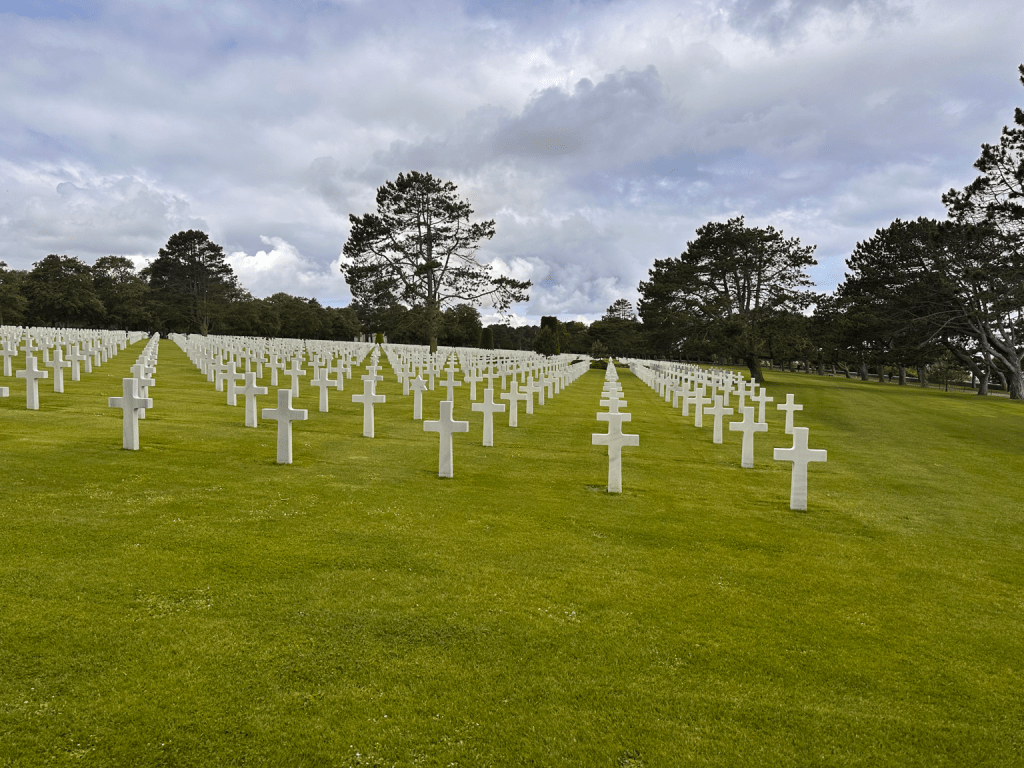
At the Normandy American Cemetery, that reality becomes impossible to avoid. Row after row of white crosses and Stars of David stretch across perfectly kept grass, each one marking a life interrupted and a future surrendered.

One marker carried my own family name: Private William H. Butterworth Jr., killed in July 1944.

Standing there, I felt pride, gratitude, and something heavier — responsibility.

Freedom is not an inheritance we should casually spend. It is a trust handed down by people who paid more for it than we ever will.

I came home from Normandy with photographs, memories, and stories I will never forget. But more than anything, I came home with a fresh outlook on life.

The problems that seemed large before the trip felt smaller afterward.

The blessings I sometimes take for granted felt larger. The urgency to live with purpose felt stronger.

We spend so much of life chasing the next thing — another achievement, another purchase, another argument, another distraction. Normandy has a way of cutting through all of that.

It asks a better question:

What kind of life are we building with the freedom others gave us?

The generation that fought World War II is leaving us. Soon, there will be no living witnesses left to take back to those beaches. No 100-year-old hands to shake. No firsthand voices to remind us what courage looked like when the world was on fire.

When that day comes, remembrance will no longer be something we receive from them.

It will be something we owe to them.

And remembrance cannot simply mean ceremonies, speeches, flags, and photographs, as important as those are. It must also mean living better.

Being more grateful. Serving more willingly. Forgiving more quickly. Complaining less. Loving our families more intentionally.

Doing our duty in whatever small corner of the world has been entrusted to us.

Eighty-two years after D-Day, Normandy still teaches. It teaches that ordinary people can do extraordinary things. It teaches that leadership requires courage before history confirms the outcome. It teaches that freedom is costly.

And it teaches that a meaningful life is not found by asking what the world owes us.

It is found by asking what our lives can give back not only to the world but for many generations to come. To the generation that has appropriately been called “The Greatest”, I’ll say it again: Thank You.

Memorial Day 2026, as envisioned by Ronald Reagan in 1982

It is Memorial Day 2026, and this morning I found myself once again reading President Ronald Reagan’s 1982 remarks at Arlington National Cemetery.

Forty-four years later, his words still speak powerfully to us. In fact, knowing all that America and the world have experienced since then — wars, terrorism, political division, uncertainty, sacrifice, and generations of young Americans once again answering the call to serve — his words may resonate even more deeply today than they did then.

The language was extraordinary. Reverent. Timeless.

Reagan said something in that speech that feels especially profound today:

“Freedom is never more than one generation away from extinction. We didn’t pass it to our children through the bloodstream. It must be fought for, protected, and handed on for them to do the same.”

Those words capture the very spirit of Memorial Day — the understanding that liberty survives only because brave Americans were willing to defend it, generation after generation, often at the ultimate cost.

Then he spoke of the young Americans buried at Arlington and across battlefields around the world:

“They were young, but they knew what they were doing. They exceeded all expectations in all battles.

They volunteered to defend values for which men have always been willing to die, if need be — the values that make up what we call civilization.”

That line still stops me in my tracks.

Because when Reagan spoke those words in 1982, America had not yet seen Desert Storm, Mogadishu, the Global War on Terror, Fallujah, Afghanistan, or the long burden carried by military families over the decades that followed.

And yet somehow, he understood the timeless truth that freedom would continue to require courage… and sacrifice.

Then came perhaps the most moving passage of the entire speech:

“The willingness of some to give their lives so that others might live never fails to evoke in us a sense of wonder and mystery. One gets the feeling that because we are free, because they were brave, we owe them something more than remembrance.”

Something more than remembrance.

Perhaps what we owe them is gratitude demonstrated through citizenship… through preserving this Republic… through teaching another generation that freedom is not automatic… and through living lives worthy of the sacrifice made on our behalf.

Reagan closed with words that may carry even greater weight today than they did four decades ago:

“Their lives remind us that freedom is not bought cheaply. It has a cost; it imposes a burden.”

May we never forget the Americans who carried that burden for the rest of us.

May God bless the memory of America’s fallen heroes.
And may God continue to bless the United States of America.

On Elections and The Candidates who volunteer to serve

Last night, Georgia voters spoke.

Across our state — from statewide races to county commissions and city councils — men and women who had spent months pouring themselves into campaigns finally received an answer from the voters. Some celebrated hard-fought victories. Others won their way into a runoff. And some quietly packed up campaign signs this morning and returned to normal life after investing a significant part of themselves in something they believed mattered.

To the winners, congratulations.

Public service still matters. In a time when politics often feels cynical and exhausting, there remains something admirable about people willing to raise their hand and say, “I’m willing to serve.” Campaigns are not easy. They require time away from family, enormous emotional energy, financial sacrifice, and a willingness to endure criticism from strangers, opponents, and sometimes even friends.

Those who won yesterday earned something meaningful. Whether one agrees with their politics or not, victory is never accidental. It comes from discipline, persistence, organization, and the ability to connect with voters. Georgia now moves forward with leaders chosen by the people, and that process — imperfect as it sometimes may seem — is still something worth respecting and protecting.

To those continuing on toward runoffs, congratulations as well.

There is a unique exhaustion that settles in during the final weeks of a campaign. Candidates begin running on fumes. Families sacrifice privacy and peace. Volunteers continue showing up long after the excitement wears off. The runoff candidates now face the challenge of gathering themselves emotionally and physically and continuing the work. That takes real resilience.

Yesterday here in Habersham County, voters selected Shelley Tullis and Danny McClellon in two county commission races. They now carry both the privilege and burden of leadership. Public office can be rewarding, but it can also be lonely. The applause eventually fades, and what remains are difficult decisions, competing priorities, and the responsibility of stewardship over a community people deeply love.

I understand that responsibility personally.

Years ago, the people of Habersham County entrusted me with the opportunity to serve on the Habersham County Commission. Later, I was honored to represent Georgia’s 50th Senate District in the Georgia State Senate. Those experiences remain among the greatest privileges of my professional life. Public service taught me lessons about leadership, humility, criticism, and responsibility that few other experiences can provide.

And maybe because of those experiences, I found myself thinking today not only about the winners — but also about the candidates who lost.

Those are often the forgotten people on election night.

Politics can become consumed with polling numbers, fundraising totals, television ads, consultants, endorsements, and social media strategy. But underneath all of that are human beings. Most local candidates are not running for fame or fortune. In fact, many know there is little personal upside at all. They run because they care deeply about their community and believe they can contribute something worthwhile.

They spend evenings away from home at forums and civic meetings. They shake thousands of hands. They endure rumors, criticism, online attacks, and second-guessing. Their spouses and children live through the stress alongside them. They invest emotionally in the possibility of making a difference.

And then, in one evening, it ends.

There is no stadium tunnel, no dramatic farewell, no television special waiting afterward. Most candidates who lose simply wake up the next morning, go back to work, and continue serving their communities quietly in other ways.

But they still deserve respect.

In many ways, the willingness to run itself is an act of optimism. It says that despite all the noise and frustration surrounding politics today, someone still believes their community is worth fighting for.

That matters.

Our system only works if good people are willing to step into the arena. Some will win. Some will lose. But all of them help keep representative government alive by participating in it honorably.

Georgia saw a great deal of that spirit yesterday.

And every serious candidate, whether victorious or defeated, deserves a sincere thank you.

Thank You for being willing to serve. Your heart, sacrifice, and spirit are deeply appreciated. The republic envisioned by Thomas Paine and secured through the devotion and sacrifice of so many of our Founding Fathers depends upon citizens willing to step forward when called. If this great American experiment is to endure for another generation, it will do so because people like you were willing to enter the arena on behalf of your communities, your state, and your country.

Returning to Normandy

There are some trips you record in a logbook. There are others you carry in your heart forever.

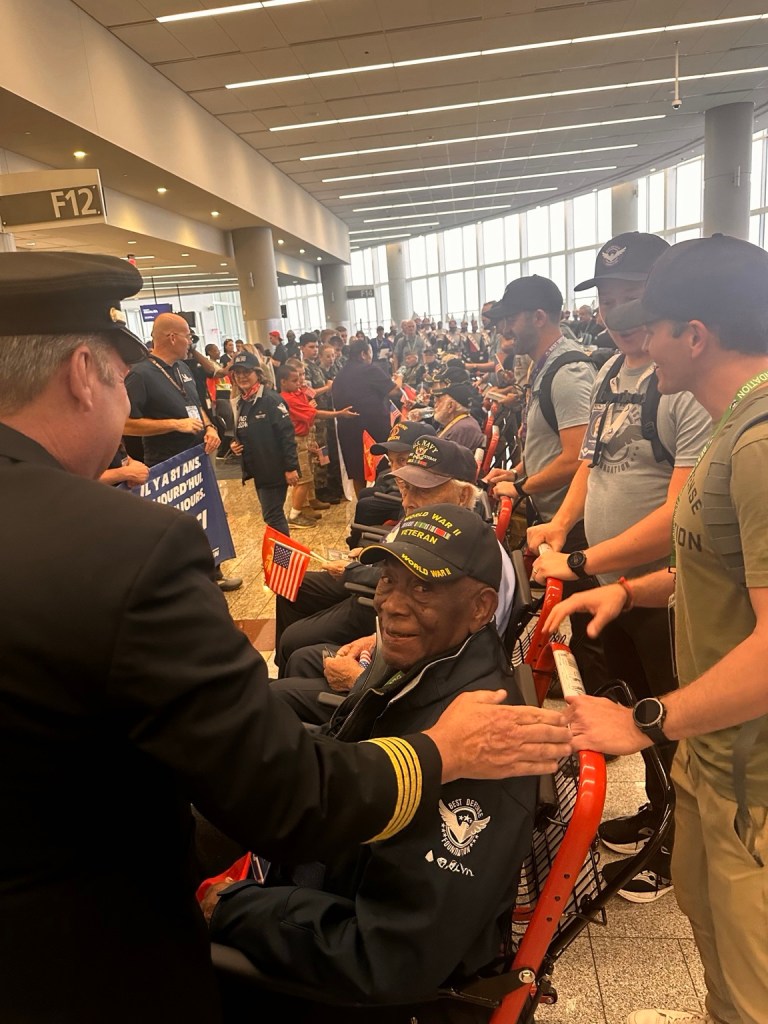
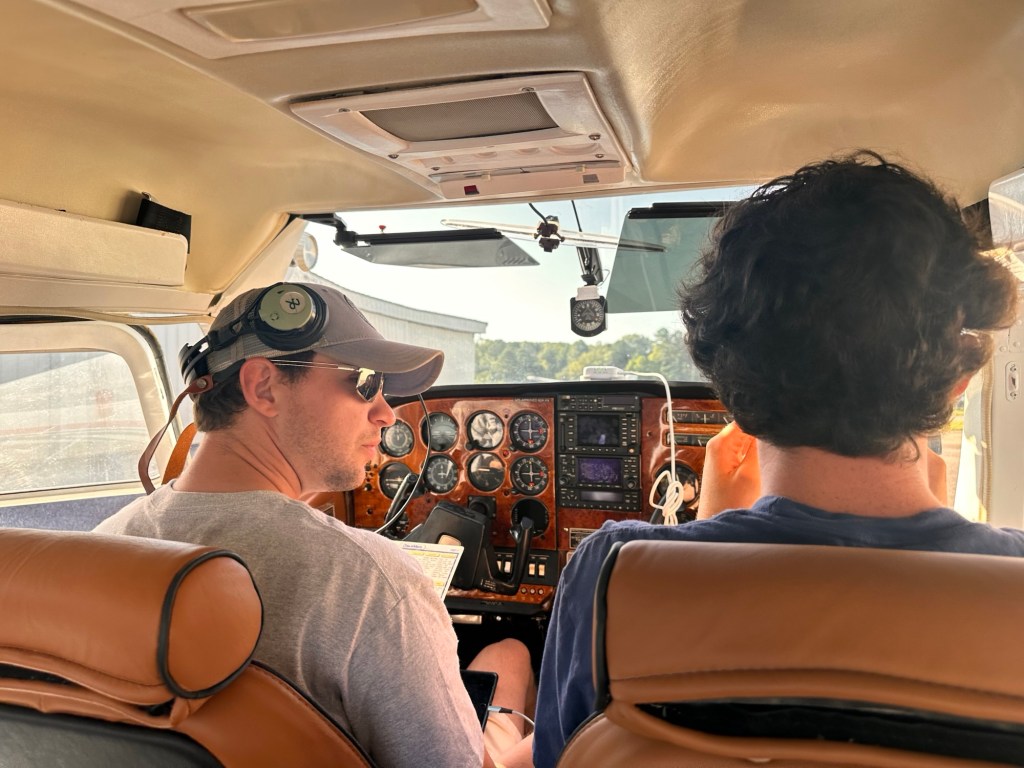
Preparing these Patriots for another Atlantic Crossing

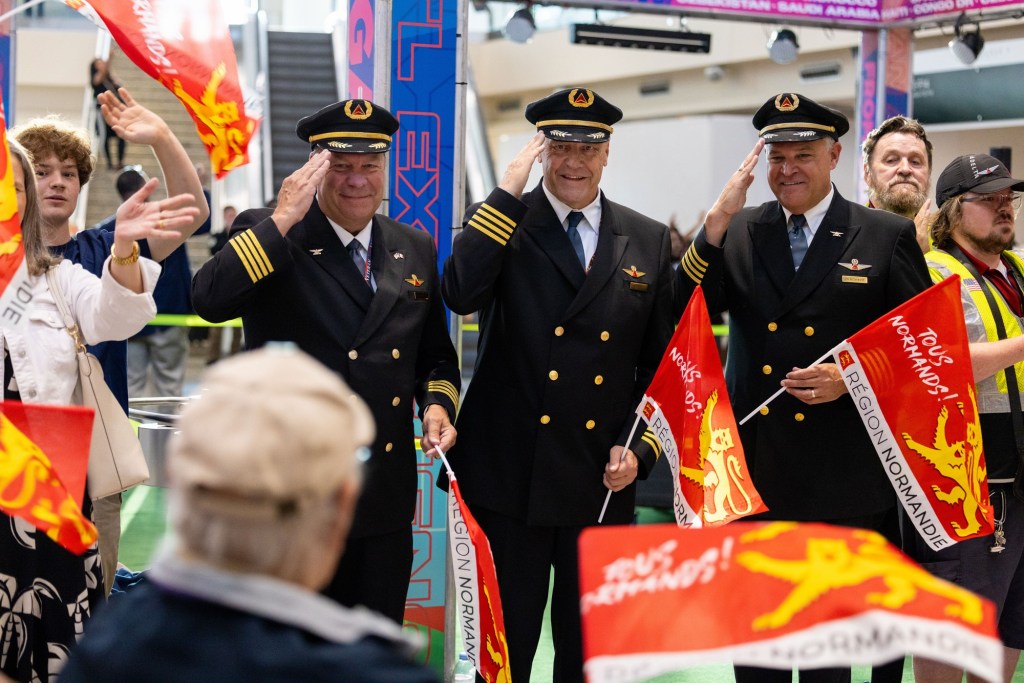
Last year, I had the extraordinary privilege of helping fly 30 American World War II veterans from Atlanta to Normandy for the 81st Anniversary of D-Day. This year, I’ve been invited to return again.

For most of us, D-Day is history. For these men, it is memory.

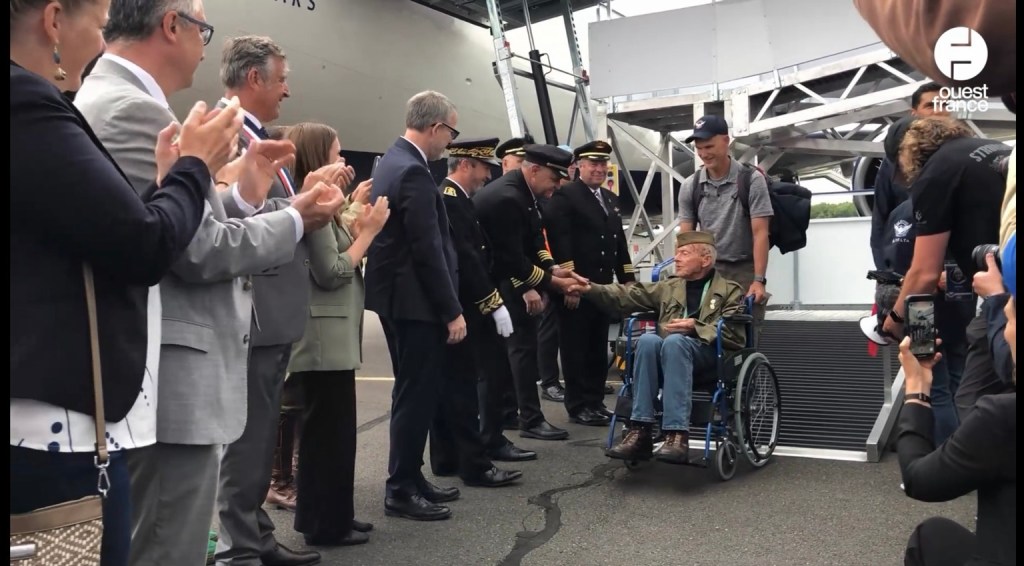
Some were barely 18 years old when they crossed an ocean into uncertainty. Many watched friends fall on the beaches, in the hedgerows, and in the skies above France. Yet four score and 2 years later, the people of Normandy still line the streets waving American flags, applauding these veterans as liberators.

It is difficult to describe what that feels like unless you have seen it firsthand.

Watching elderly veterans roll off the airplane to a standing ovation… seeing French schoolchildren reach out just to shake their hands… hearing church bells ring across tiny villages that still remember June of 1944… it reminds you that freedom is never free, and courage echoes long after the battle ends.

One of the most moving moments for me came at the Normandy American Cemetery. Endless rows of white crosses stretch toward the horizon in perfect silence, overlooking the same coastline where history changed forever. Standing there, you realize these are not just names in a textbook. They were sons, brothers, husbands, friends — young Americans who never came home.

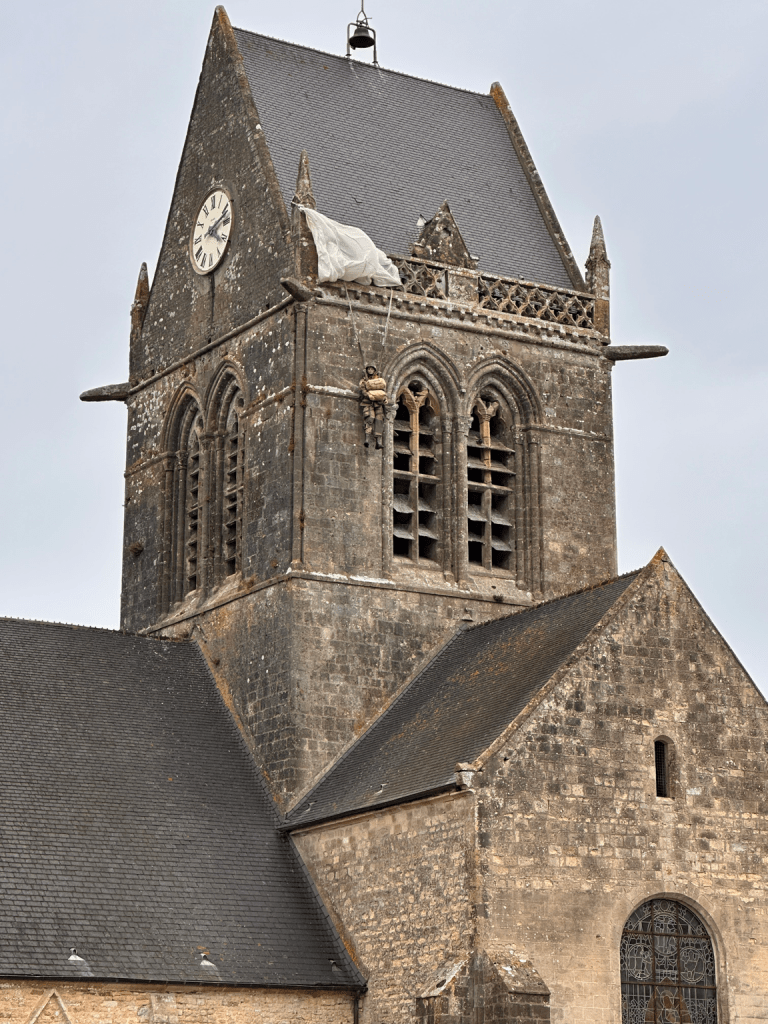
Another unforgettable stop was the church at Sainte-Mère-Église, forever connected to the story of John Steele of the 82nd Airborne. During the airborne assault in the early hours of D-Day, Steele’s parachute became caught on the church steeple, leaving him hanging high above the town while the battle unfolded below. His story became one of the most enduring and human moments of the Normandy invasion — a reminder that history is not just strategy and maps, but individual courage, fear, sacrifice, and survival.

And then there are the quieter moments.

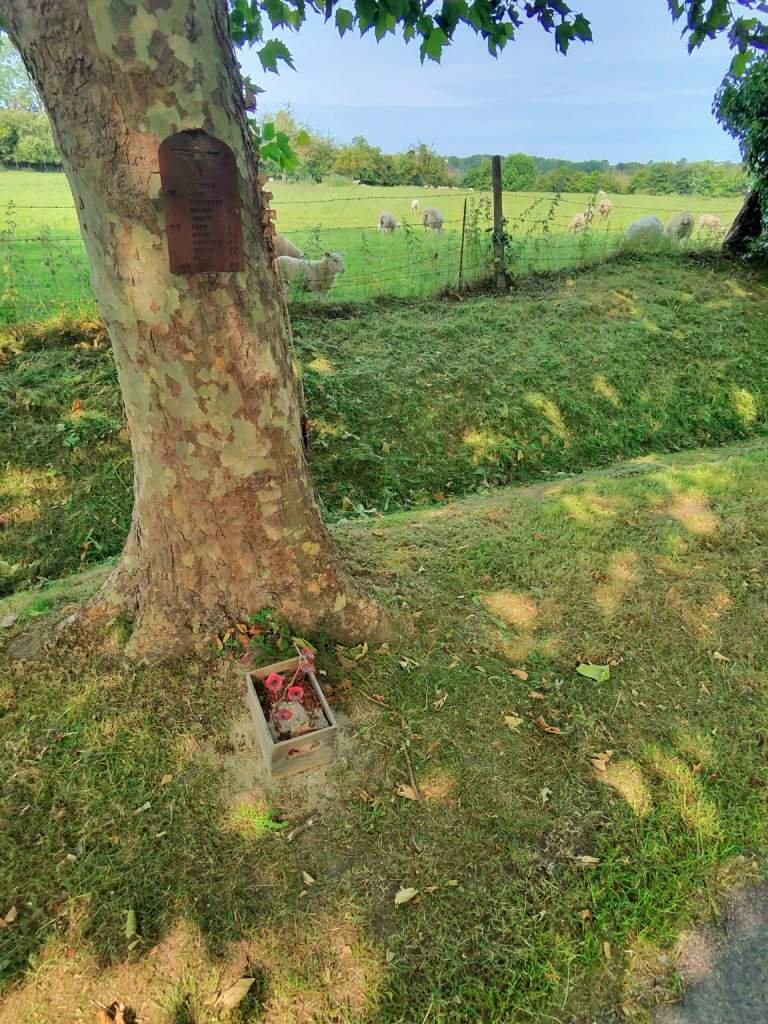
A simple memorial beneath a tree in a peaceful pasture, complete with poppies for those who lost their lives in a nearby battle.

As a pilot, I’ve been fortunate to experience many meaningful flights over the years. But this mission is different. It is not simply transportation. It is stewardship. It is carrying heroes back to the places where history asked everything of them.

At a time when the world often feels divided and distracted, Normandy reminds us what unity, sacrifice, duty, and freedom truly look like.

And perhaps most importantly, it reminds us that we are running out of time to personally thank the remaining members of America’s “Greatest Generation.”

I’m deeply honored to be invited back again this year.

May we never forget what they did there. Just as importantly, may we always be worthy of the price they paid.


It ~wasn’t~ just a mission statement!

Turning 60 has a way of making you reflective—maybe a little more than you intended.

Writing last week’s post, and even sitting down to write this one, reminds me of that scene from Jerry Maguire where he pours out everything he believes about life and work, prints it up, and sends it out into the world… and then immediately wonders if he went too far. When people start reacting, he shrugs it off with, “It was just a mission statement.”

I get that feeling a little bit. Like maybe you’ve said more than you planned to. But maybe that’s not such a bad thing. Maybe taking the time to put a few thoughts down—about life, about what matters—is worth it, even if it feels a little exposed.

Because if there’s one thing that becomes clearer over time, it’s this: life isn’t easy. And it’s not supposed to be.

That’s not a complaint. It’s just an observation you earn.

When you’re younger, you don’t really think in those terms. You just go. You don’t overanalyze. You don’t measure effort the same way. You certainly don’t spend much time wondering if something is “too hard.” You just do it.

I think back to summers at Camp Cherokee on Lake Burton. Some of my best memories are from that place, especially with my buddy Frank Reinstine. There was a simplicity to those days, but also a kind of quiet toughness built into everything we did.

One memory stands out more than most—the two-mile swim to the Lake Burton dam.

The first day, Frank wasn’t interested. I went with another camper, for the helicopter Moms reading this, we had a counselor paddling alongside us in a canoe. The next day, Frank decided he was in after all—but the rule was you had to go in pairs. So I turned around and did it again, swimming alongside him, again with a counselor keeping pace nearby.

I remember Ross McConnell telling me he was a little concerned I might get fatigued.

The truth is, I didn’t even really know what that meant.

That’s not a statement about toughness—it’s more about perspective. At that age, you don’t label things the same way. You don’t stop and ask if something is going to be difficult or tiring. You just start swimming and figure it out as you go.

Somewhere along the way, we all learn what “fatigue” means. Life has a way of teaching that lesson pretty thoroughly. Responsibilities stack up. Plans don’t always work out. You realize effort has a cost.

But if you stay with it long enough, you also learn something else: the effort is where the value is.

Not in a loud, obvious way. Not in a way that always gets recognized. But in the quiet accumulation of days where you chose to keep going. Where you didn’t turn back early. Where you pushed through when it would’ve been easier not to.

That’s where life starts to take shape.

Amy and I have had a front-row seat to that journey. Jack is about to graduate high school and head off to play golf at Truett McConnell University (I don’t think there’s any relation to Camp Cherokee Director Ross McConnell, but ironic, nonetheless). That didn’t happen overnight—it’s the result of years of practice, discipline, and learning how to push through the tough days. Claire is navigating life with confidence, making upward job changes, growing, and genuinely happy in who she is. Blake is chasing dreams and the sky—literally—with all his flying ratings in hand and a wide open future in front of him. And Cate, in 10th grade, is hitting her stride as a student, with a curiosity and drive that makes us excited about what’s ahead for her.

None of that came easy. And that’s exactly the point.

The pride isn’t about outcomes or milestones as much as it is about the way they’ve each learned to engage with life—to take it on, even when it’s hard. To keep moving forward without any guarantee of how things will turn out.

That’s the part that feels meaningful.

Because over time, your definition of success changes. You start to value the willingness to try more than the result. The resilience more than the recognition. The consistency more than the occasional win.

And maybe that’s what these reflections—these “mission statements,” if you will—are really about.

Not having all the answers. Not pretending life has been perfectly figured out. But simply acknowledging that the path has been worth it. That the hard parts weren’t detours—they were the road.

Theodore Roosevelt once said that he did not admire the life of ease, and that the highest reward belonged to those who chose “the strenuous life”—a life of effort, of responsibility, and of purpose, where meaning is found not in comfort, but in doing the hard things well.

At 60, that doesn’t feel like a quote to hang on a wall. It feels like something you’ve seen play out, over and over again. In your own life, and in the lives of the people you care about most.

Life isn’t easy. It never was.

But the rewards of showing up, putting in the work, and staying in it—those are real. And they have a way of revealing themselves over time, often in ways you couldn’t have planned.

Looking back, I’m not sure I’d change much—even the hard parts.

Because somewhere between not knowing what fatigue meant and understanding it all too well, you begin to see what really matters.

And it turns out, it was never about ease at all.

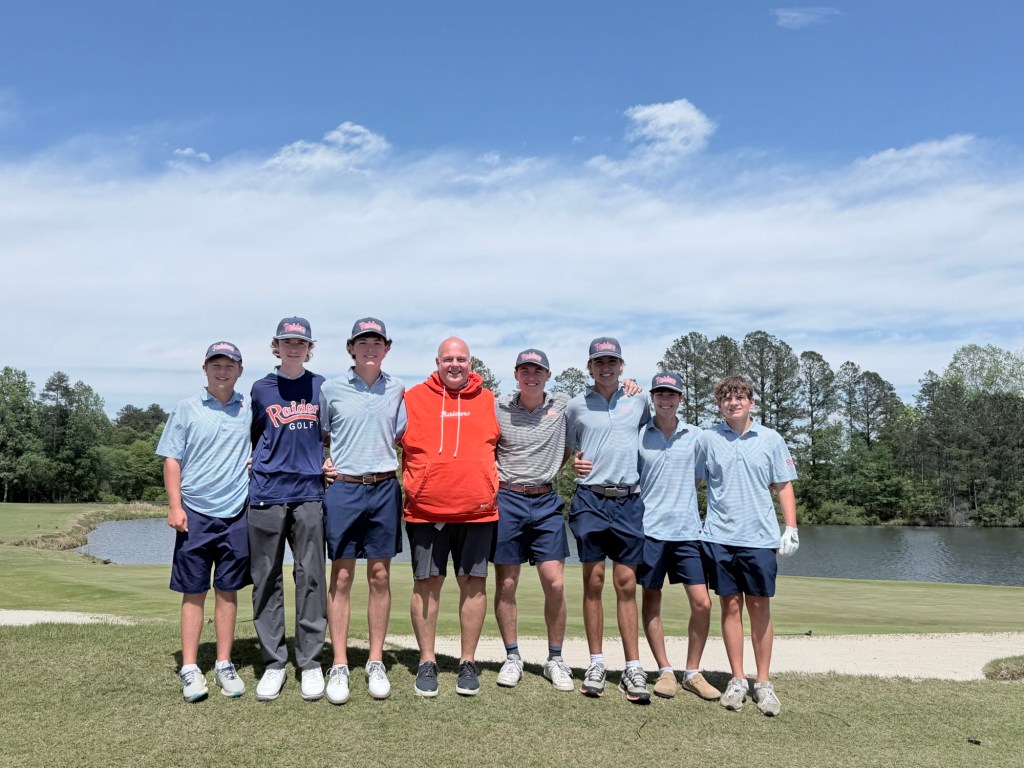
2026 Habersham Central Raider Varsity Golf Team

Turning 60… and Picking Up the Sword (Again)


Sometimes a season sneaks up on you.

Turning 60 was one of those moments.

No fanfare. No big announcement. Just a quiet realization that I’ve stepped into a different phase of life—whether I was ready or not.

And the truth is… I think I am.


The Samurai Years

I’ve come to think of this stage as the “samurai years.”

Not in the sense of fighting battles every day—but in the discipline that comes from having already fought a few.

By 60, you’ve seen enough.

You’ve had success. You’ve had failure. You’ve been tested in ways you didn’t expect—and you’re still here.

That changes you.

You don’t react as quickly.
You don’t speak as often.
But when you do… it tends to matter more.

There’s a steadiness that shows up if you’ve been paying attention.

And if I’m being honest, a lot of that steadiness doesn’t come from me.

It comes from a lifetime of being guided—even in the moments when I didn’t fully recognize it at the time.


A Gift I Didn’t See Coming

This birthday, my wife Amy gave me something I didn’t expect.

It wasn’t flashy. It wasn’t something you unwrap and set on a shelf.

She had reached out to a group of close friends and family and asked them to write letters—just a few words, memories, thoughts… whatever they felt led to say.

Then she took those letters and had them placed in a simple leather binder.

That was the gift.

I’ll be honest—I didn’t quite know what I was holding at first.

But as I started reading through them, one by one, it landed.

Hard.

These weren’t casual notes. They were thoughtful. Personal. Honest.

Some made me laugh. A few hit me right in the chest.

All of them mattered.

I’ve received a lot of great gifts over the years. But this one… this is probably the best I’ve ever been given—not just from Amy, but from the people who took the time to write those letters.

Those people are my world.

And what they put down on paper is something I’ll carry with me for the rest of my life.

It also serves as a quiet reminder of something Scripture tells us—that where your treasure is, there your heart will be also.

That binder made it pretty clear where mine is.

In fact, I told Amy—half serious, half not—that one day, when the time comes, they can just put that leather binder in the casket with me.

I’ll take those words along for the ride.


From Leading to Letting Go

One of the biggest shifts at this age isn’t professional.

It’s personal.

Your kids aren’t really kids anymore.

They’re somewhere in that “semi-adult” phase—making their own decisions, building their own lives, and yes… making some of their own mistakes.

That can be tough to watch.

There was a time when you could step in and fix things. Offer direction. Set the course.

That time passes.

Now, the role is different.

Now it’s about being available—but not overbearing.
Present—but not controlling.
Supportive—but not steering every decision.

That takes discipline of a different kind.

And maybe a little more faith than we’re used to.

Faith that they’ll find their footing.

Faith that the foundation you helped lay will hold.

And faith that God cares for them even more than you do.


Strength Looks Different Now

There was a time when strength meant pushing harder than everyone else.

Outworking. Outlasting. Outperforming.

There’s still value in that—but it’s not the whole story anymore.

At 60, strength looks more like restraint.

It’s knowing when to step in—and when to stay quiet.

It’s having the experience to recognize a problem early… and the patience to let it play out if that’s what’s needed.

It’s being steady when others aren’t.

There’s a quiet confidence that comes from knowing you don’t have to carry everything on your own anymore.


Clarity Has a Way of Showing Up

One of the benefits of getting older is perspective.

You start to see what really matters—and what never did.

Some things just aren’t worth the energy anymore.

And that’s not a sign of slowing down.

It’s a sign of getting focused.

Time is a little more precious now. So you spend it differently.

On people.
On purpose.
On things that actually matter.

And you become a little more grateful for the time you’ve been given—and the grace that’s carried you through it.


Still in the Arena

Let me be clear—this isn’t about winding down.

At least not for me.

There’s still work to do. Still opportunities to serve. Still chances to lead when it counts.

But it’s not about proving anything anymore.

It’s about being useful.

Being steady.

Being someone others can count on when things get uncertain.

And trying—imperfectly, but intentionally—to live in a way that reflects something bigger than yourself.


Final Thought

If there’s one thing I’m learning about turning 60, it’s this:

You don’t put the sword away.

You just learn when to use it.

And more importantly… when not to.

And if you’ve been blessed, as I have, with faith, family, and people who will tell you the truth—

You realize you were never carrying the weight alone to begin with.


Sometimes a Community needs to come together for all the right reasons…

Habersham County’s first “Swim Safely Day” is August 19th at the Ruby C. Fulbright Aquatic Center

If you live in Habersham County, or even Northeast Georgia, you’re probably familiar with our incredible recreation area called Lake Russell and the adjoining Lake Russell Wildlife Management Area. The lake is an under-utilized thing of beauty and, unfortunately, was the site of a drowning tragedy over the summer. Through God’s Grace, however, we’re going to turn the tragedy into triumph, but we’ll need some help.

The young boy who drowned was a blessing to his family and his many friends. His loss of life sent shock waves through our community and gave cause for many Moms and Dads to give extra hugs to their children. We have grieved, collectively, with this young boy’s family over the last few months.

Now, through the inspiration of this family’s loss, our community is coming together to facilitate a Swim Safely Day at the Habersham County Ruby C. Fulbright Aquatic Center. The date is August 19th,which is only two weeks away.

Ruby C. Fulbright Aquatic Center

The goal of the day will be to build awareness of how to be safe in and around the water. We feel this event is vitally important, especially given the upcoming end-of-summer Labor Day weekend. 

As a reward for participation, all participants who complete the 3 station “training course” will receive their own USCG approved Life Preserver. The “target audience” are kids from kindergarten to 6th grade. We do, however, have plans in case there are older kids, or even adults, who would like to take part in the course. We plan to welcome anyone who would like to participate.

Worth noting is the fact that this Swim Safely Day is being offered free of charge to participants and is also at no cost to the taxpayers of Habersham County.

Our future plan is to increase the regular availability of actual swimming lessons. One goal is to offer these lessons free of charge, as well.

To make this initial event a success, we need your help.

Most importantly, we need participants. Our County Recreation Department Director, Brooke Whitmire, and her team, have put together a partnership and a plan. The Department is partnering with Piedmont College, Tallulah Falls School, the Habersham County School system, along with many others, to help make the day a success. We’re planning an informational “blitz” to get the word out, but word of mouth is one of our best forms of advertisement. Please spread the word and mark your calendars for Saturday, August 19th.

Funding- many of the swim instructors will be volunteering their time for the Swim Safely Day. There will be costs, however, and one over-arching cost will be the key to making this event a total success.

To register for the event, or even donate, here’s a link:

https://habershamga.recdesk.com/Community/Program/Detail?programId=563

We estimate we will need between 250 and 500 USCG approved life preservers to give to the participants. Personally- I’d like to plan on the high end of that number. If we end up with extras we’ll begin planning for the next swimming event and give away.

Brooke and her team have done the research and they estimate that the life preservers will cost between $20-24 each. We’re asking our community to come together and begin a fund raising effort to cover that cost. I’ll be posting more info on that soon, including another link to facilitate donations.

We’d also like to ask local businesses who might be interested in partnering, financially or otherwise, in this effort to please get in touch. As I mentioned, we will need many volunteers to help make this day a success. 

Additionally, I envision part of the “payback” for these life-saving and life changing volunteers could be in the form of a gift card (or two) for a good lunch meal or a nice evening out. Your help with these gift cards and “love offerings” would be appreciated. 

Please don’t hesitate to get in touch with me, through my contact link on this site, or Brooke Whitmire and the HCRD Team at 706-839-0234 or bwhitmire@habershamga.com

I’ll post more info soon. Thanks for reading and taking an interest in this amazing opportunity to save lives, right here at home.

#Godspeed in your journey, Matt

You may have seen my previous post about Matt Speed and his battle back to health. Long story short- Matt went to Heaven yesterday.

As you pray for Matt’s family, please also consider donating to their Gofundme:

https://www.gofundme.com/f/speed-family

Also- Matt loved life and he smiled a lot. I’m sure, if he was here, he’d remind us all to do the same.

Godspeed, Matt. You’ll be missed by many but we know that, through God’s Grace, we’ll see you again someday. All the Best.

Please consider praying for, and donating to, Matt Speed’s Covid recovery

#GodSpeed, Matt!

There are people, there are good people and then there are people who just become instant “longtime” friends. For me, Matt Speed is in the latter category… and I need my friend back.

https://gofund.me/2a97733c

Matt comes from a north Georgia family of just good people. His immediate family includes bankers, a Sheriff, entrepreneurs and, most importantly, a wife and three children who love him dearly.

A while back, Matt went all in on his dream business and started Custom Combat Trucks. He’s a man’s man and does what most of us “Type A-s” would love to do: build (and rebuild) really cool, beastly looking trucks. Like I said- instant friends, right?

http://www.customcombattrucks.com/

Today, however, Matt is trying to rebuild something a little different- his own body. Covid has wreaked havoc on his lungs and he needs our help.

How can you help? Pray for Matt and his family. Next- Pretty simple- either go buy a Humvee from CCT (a stretch, I know but I thought I’d mentioned it), donate to help alleviate some of the family’s costs, share their Gofundme, or share this blog post. You truly never know who might see your social media effort and go all in with some help.

Also- let’s make #GodSpeed, Matt! Go viral. It’ll be a journey for the Speed family. Let’s show them that we’ll be with them the WHOLE way.

Come on, Matt. We have stuff to do! #Godspeed, Matt!